 Revedra
v2.15.0
Revedra
v2.15.0
Revedra
v2.15.0
Revedra
v2.15.0
Studio-grade product rendering for Blender — built for product teams, makers, 3D print sellers, and digital sculptors shipping STLs and large model catalogs. Set up the cyclorama, light the scene, batch hundreds of models, and ship stills, turntables, scale drawings, A4 assembly guides, GLB and USDZ — all in one queue.
Etsy shops, Shopify stores, miniature and resin kit brands, 3D artists selling STLs, and product teams with hundreds of SKUs — anyone who needs catalog imagery and printable guides without the manual render grind.
From mesh to manual in one batch — a vertical pipeline for the people who ship product imagery and documentation at scale.
Catalog photography, hero shots, exploded-view assembly diagrams, scale and dimension drawings, GLB and USDZ for AR, and direct CDN delivery — built as a single opinionated workflow inside Blender. No render-farm renting. No glue scripts. No tab juggling between five tools.
And — Revedra doesn't just render product visuals. It also removes the headache of building basic assembly guides, part diagrams, and scale / dimension drawings by hand for every model in your catalog.
Each one is the kind of thing that used to take a week of pipeline glue and a senior TD. Now it's a checkbox.
Render 1, 10, or 200 models in one queue. Per-model toggles for stills, video, scale drawing, and documentation. Headless Blender subprocesses isolate GPU crashes — one bad mesh doesn't take down the rest of the batch.
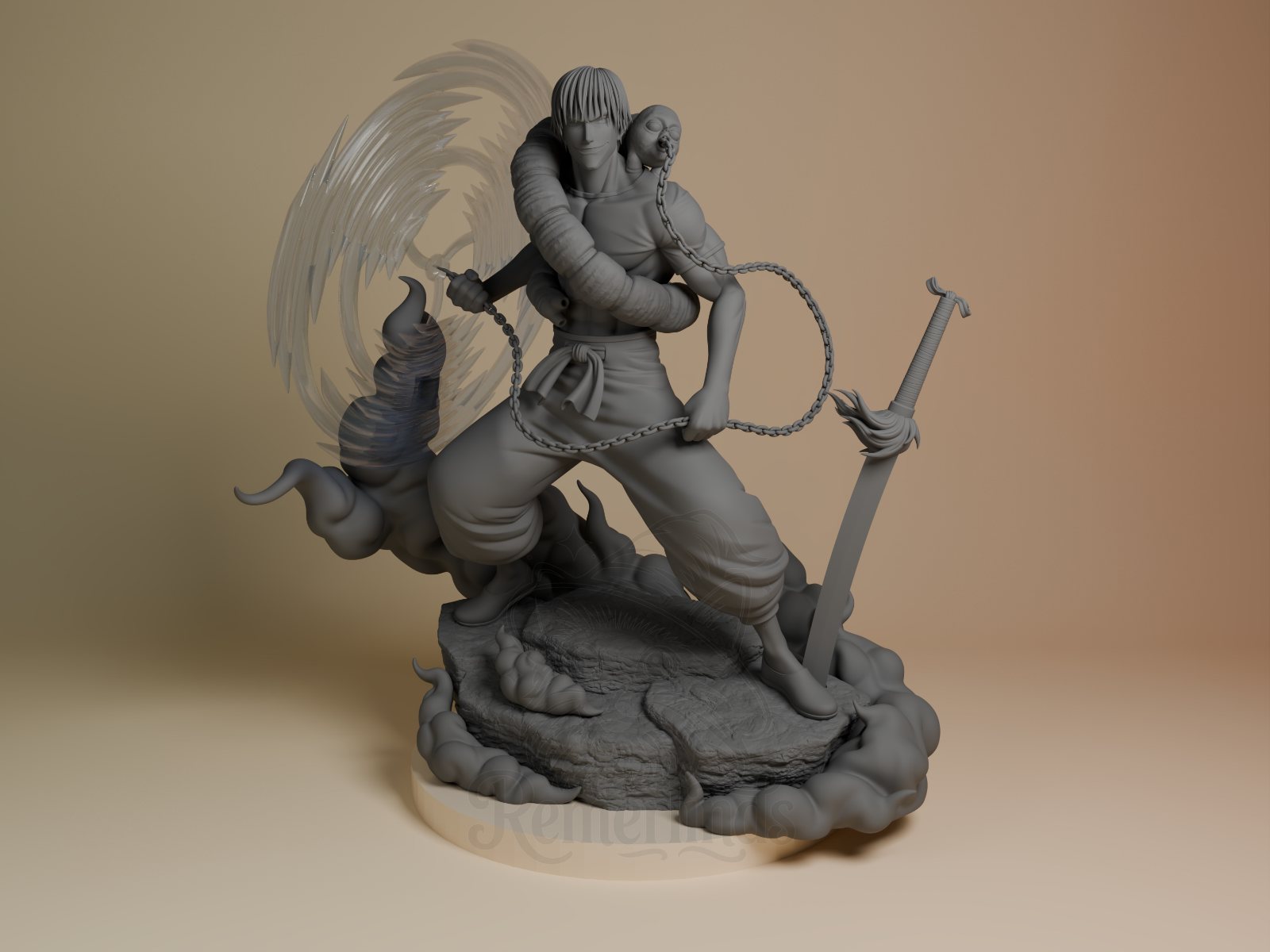
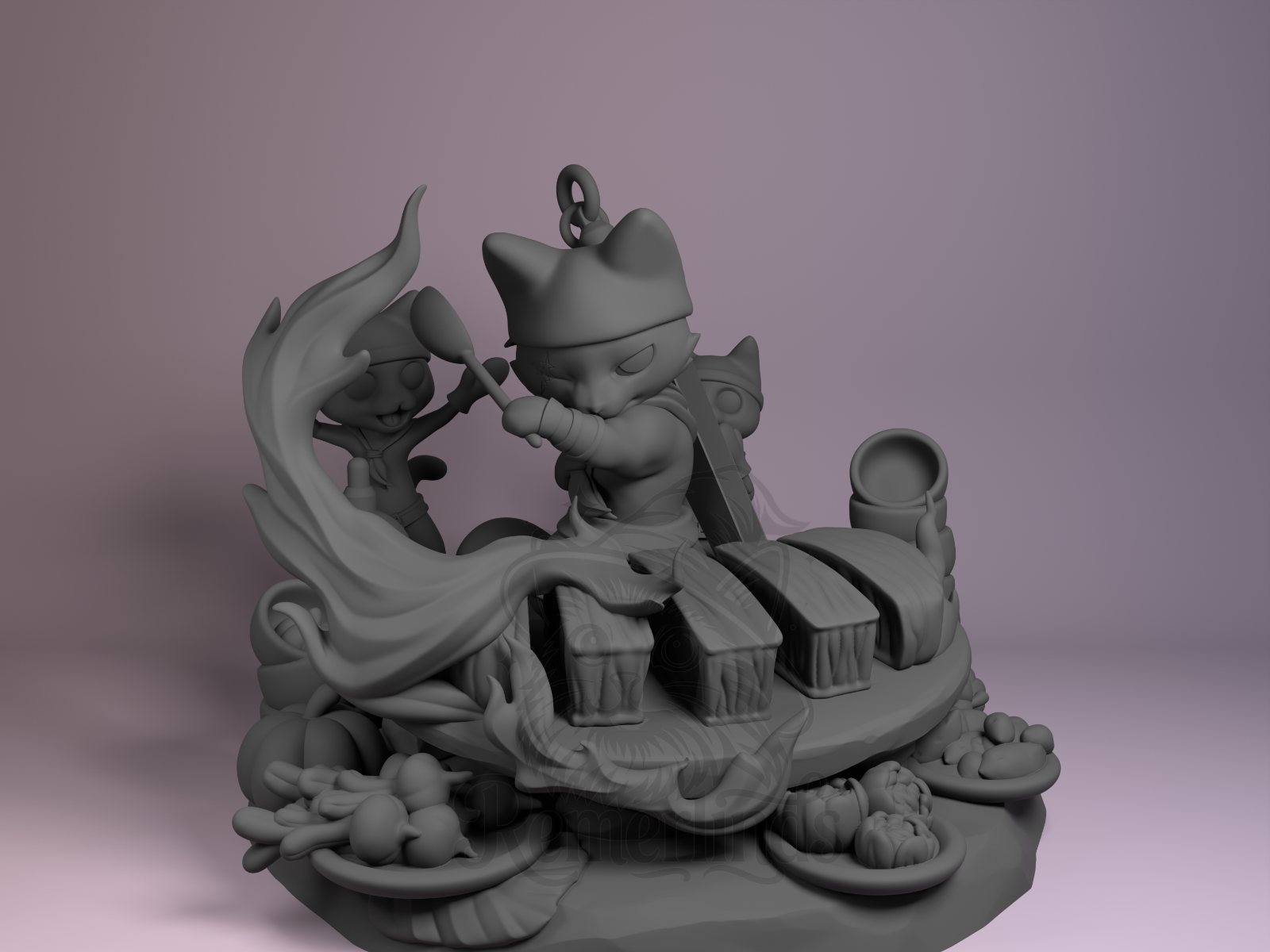
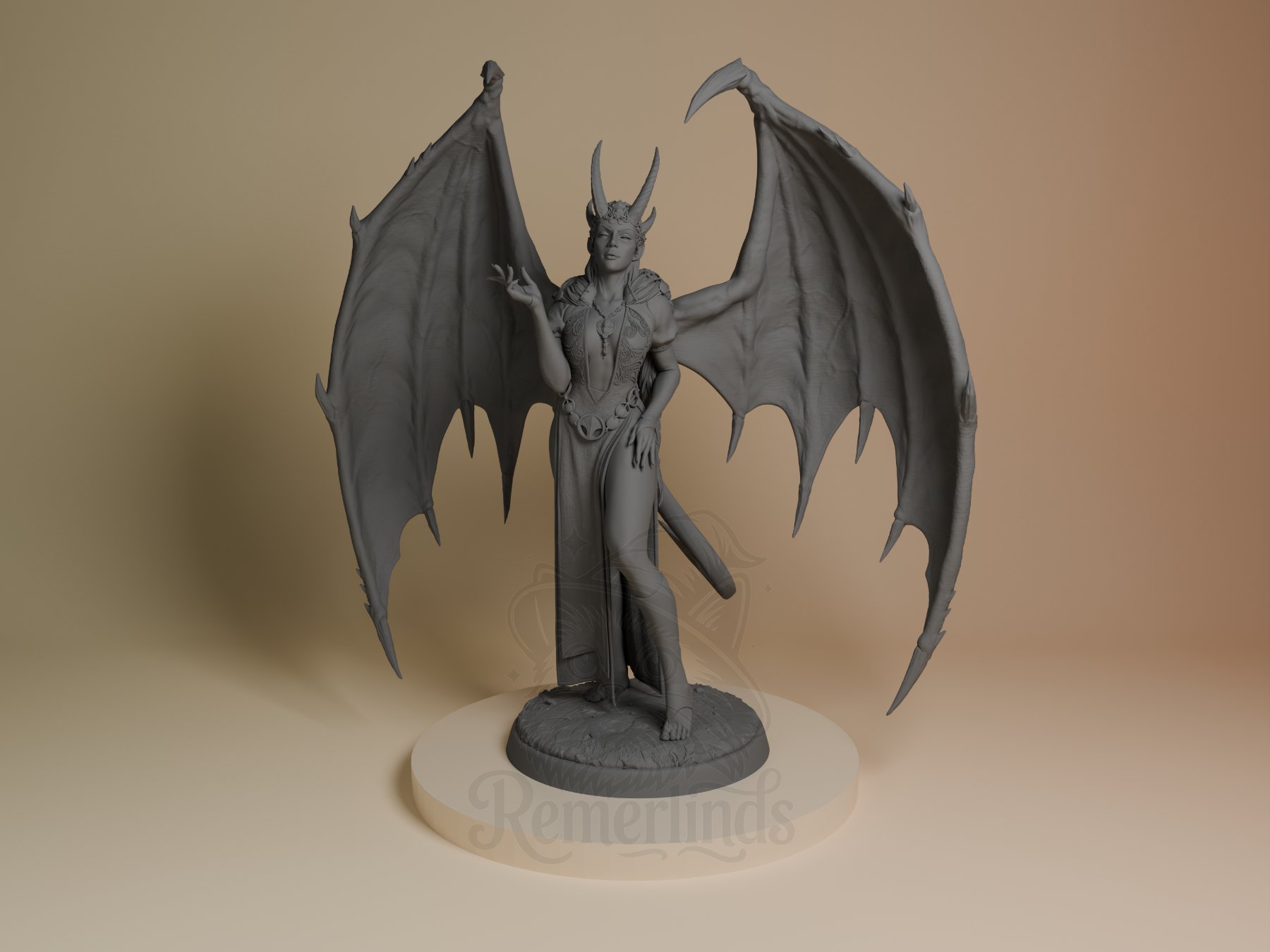
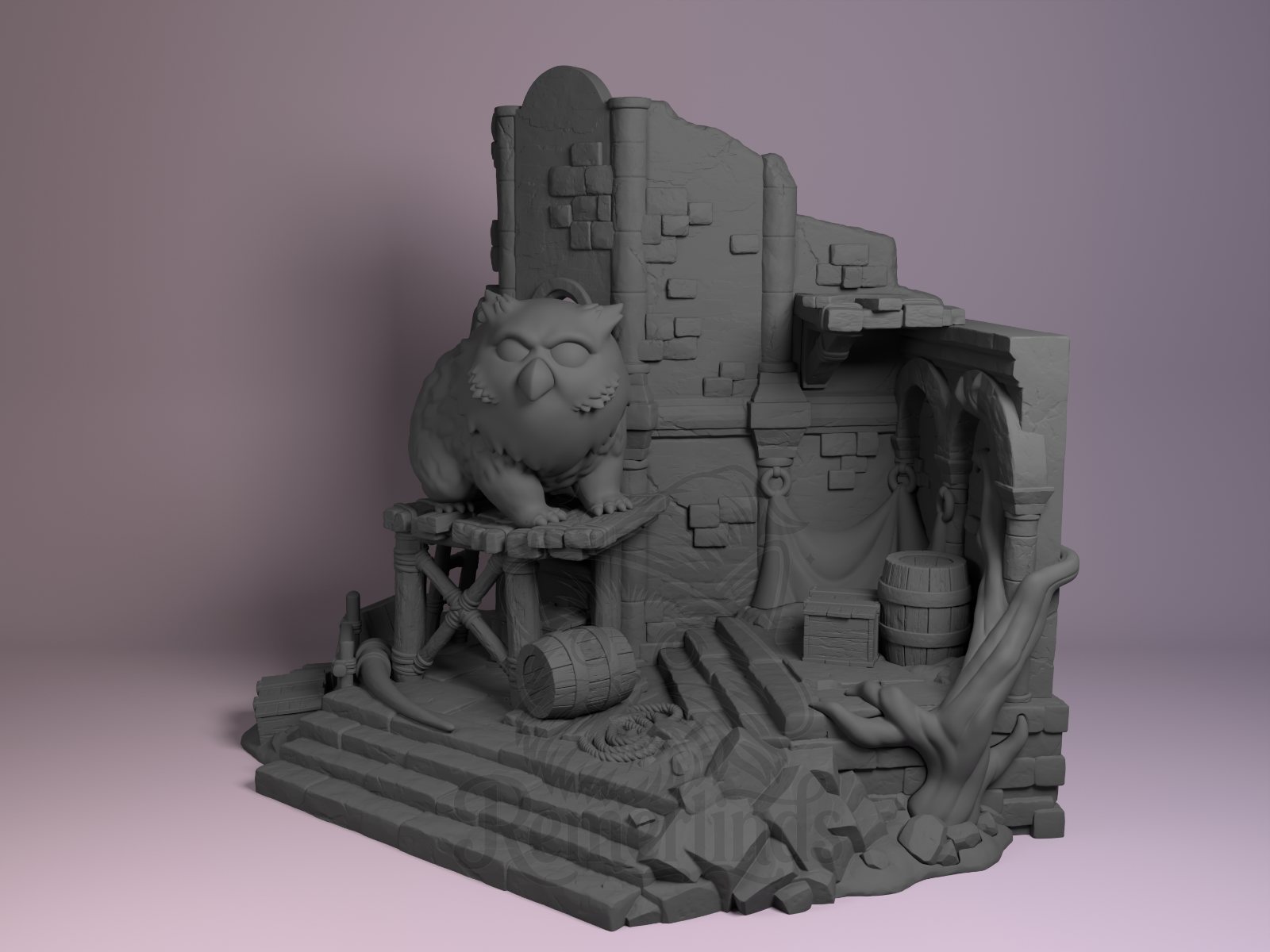
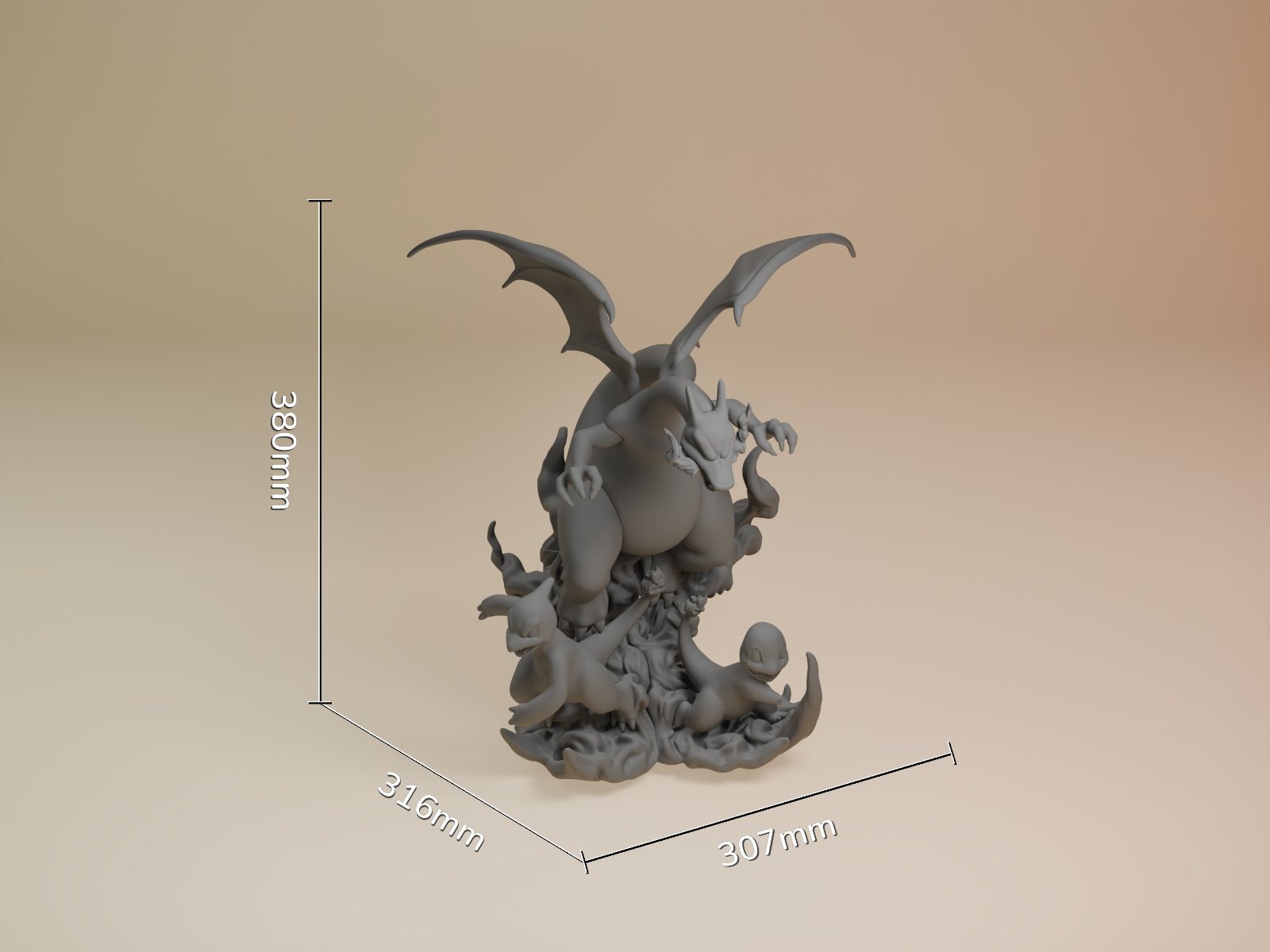
Each video splits across 1–4 Blender subprocesses rendering contiguous frame slices. Cycles BVH cache stays warm across the slice. CPU and GPU phases overlap. GPU utilization climbs from ~68% to 90%+, and total wall time drops with it.
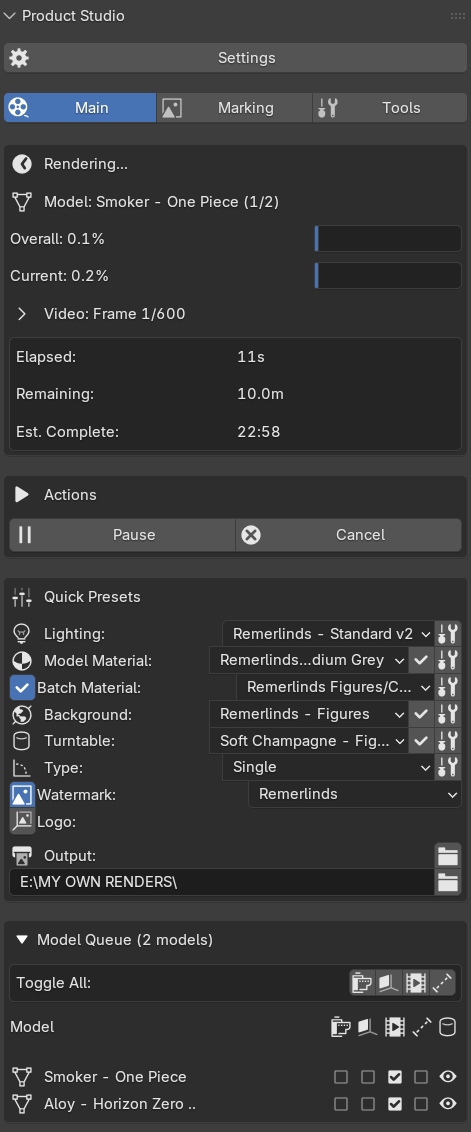
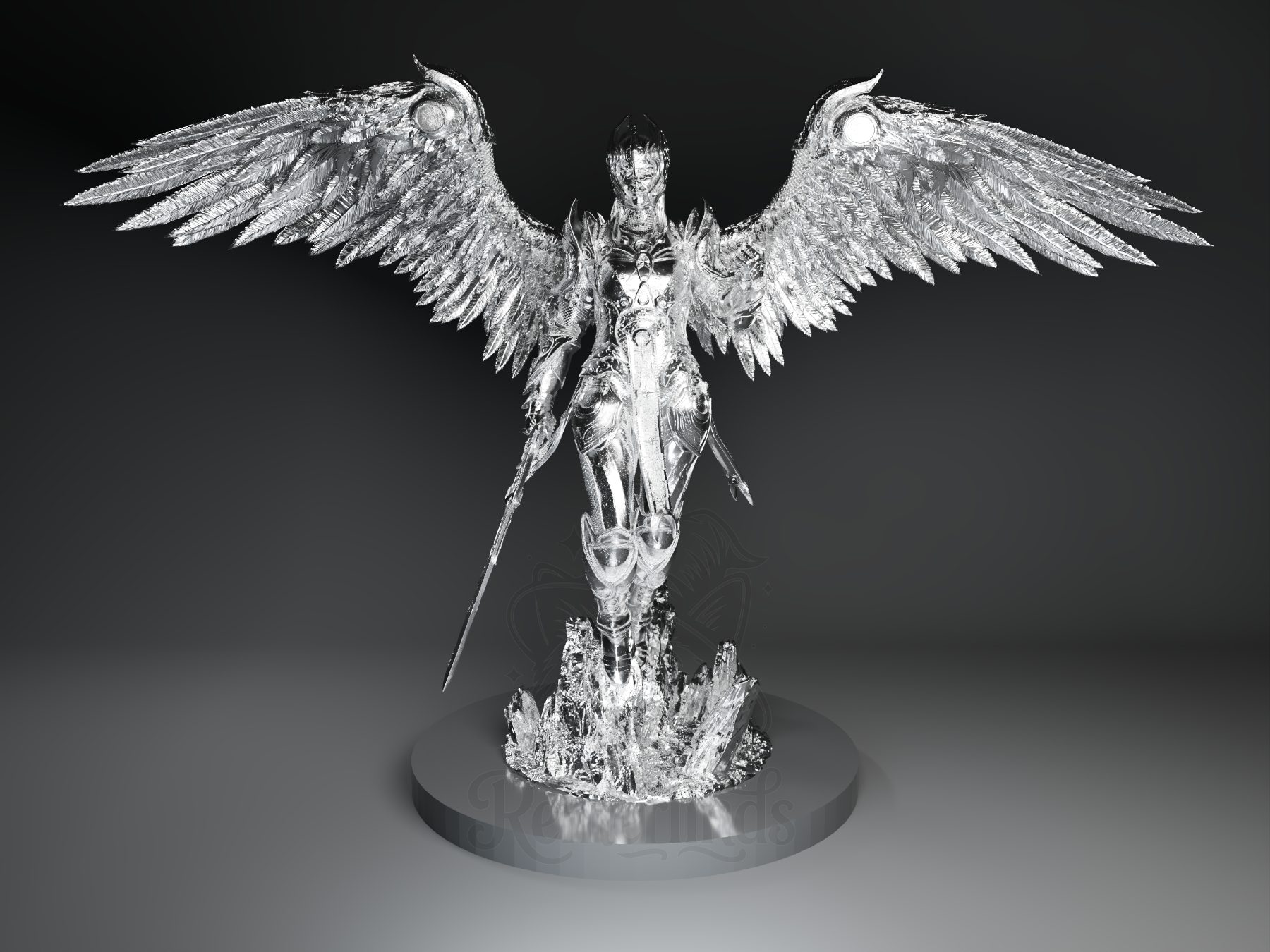
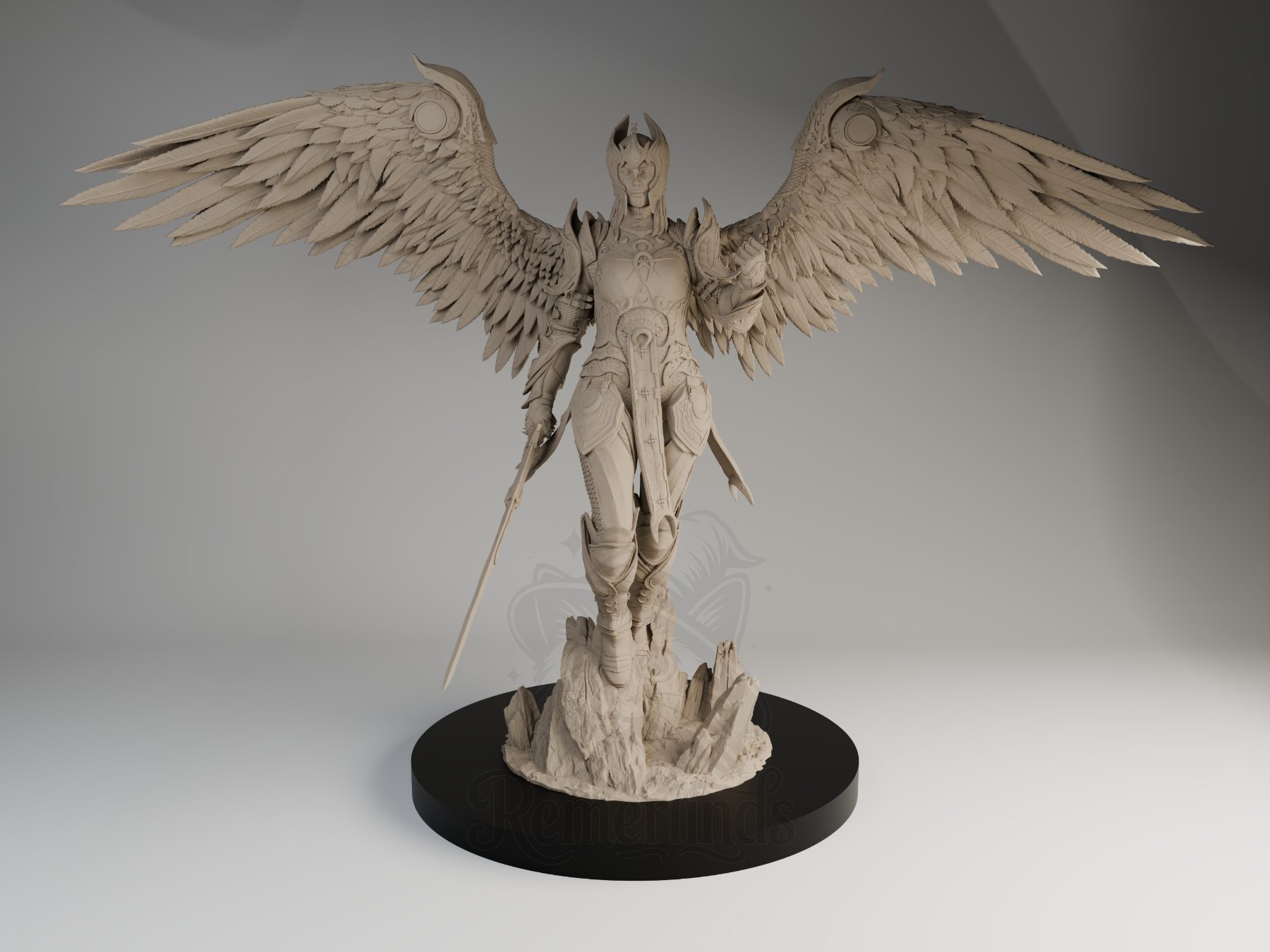
Cyclorama, studio camera, three-point rig, and single- or multi-tier turntables that auto-distribute models around the platform. Materials and lighting driven by saved presets with live preview. The same scene every time — until you decide otherwise.
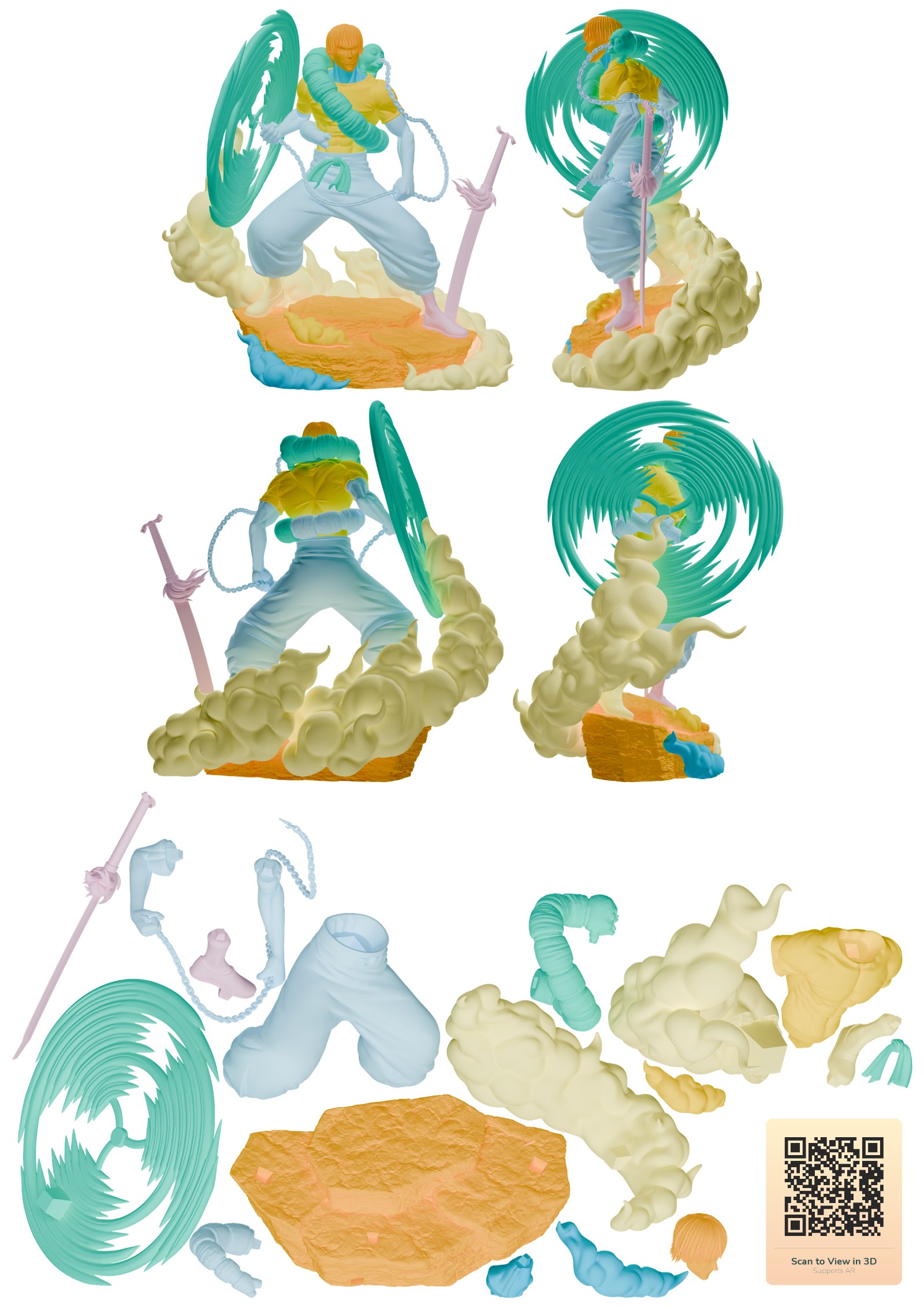
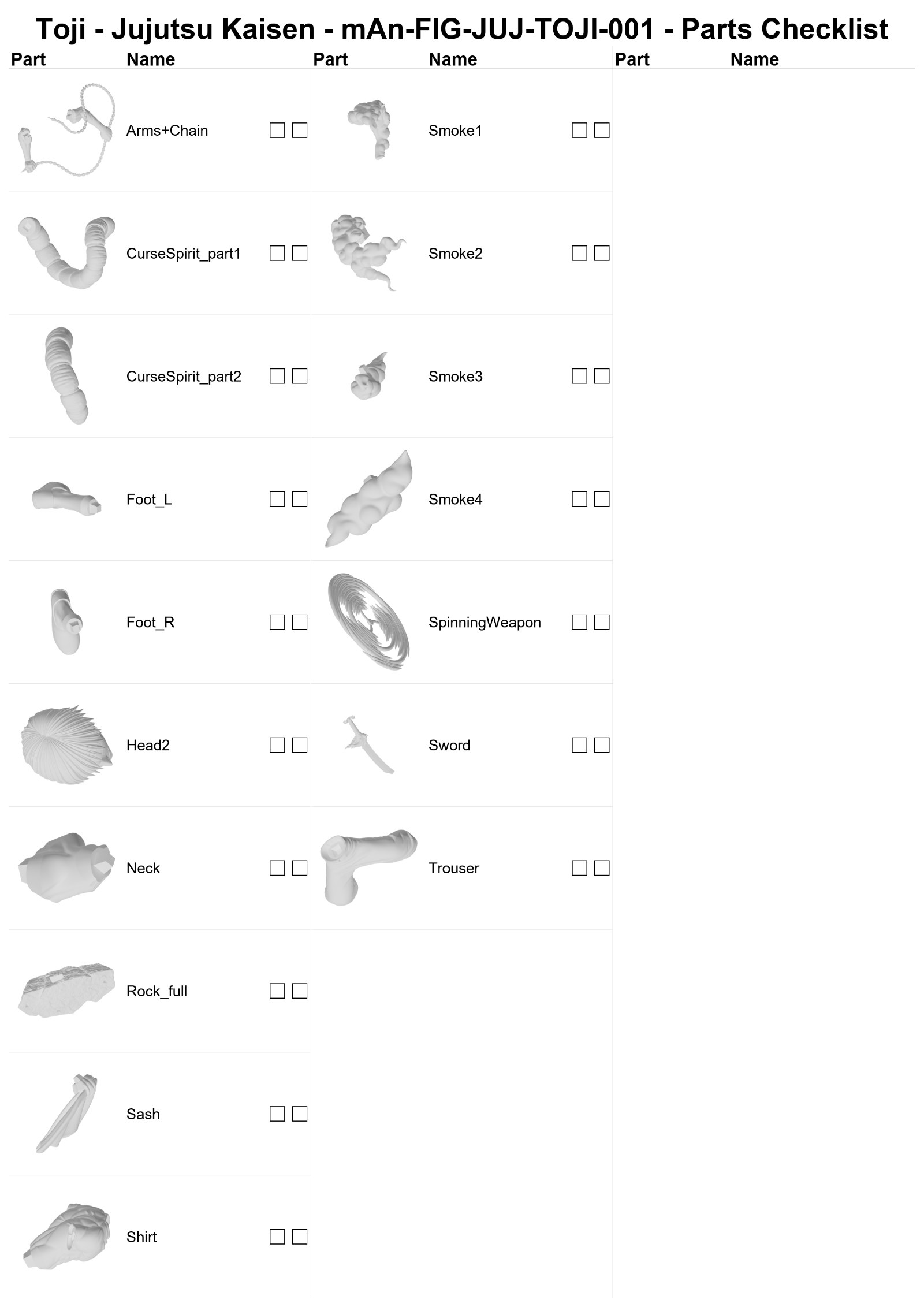
Every batch can drop a print-ready A4 PDF alongside the renders: turntable hero, exploded-view part diagrams (laid out by a Rust-accelerated polygon packer), scale drawings with height / width / depth in mm, and a QR code linking to the web 3D viewer for that SKU. The basic documentation work that used to eat a whole afternoon per model — generated automatically, in the same pass.
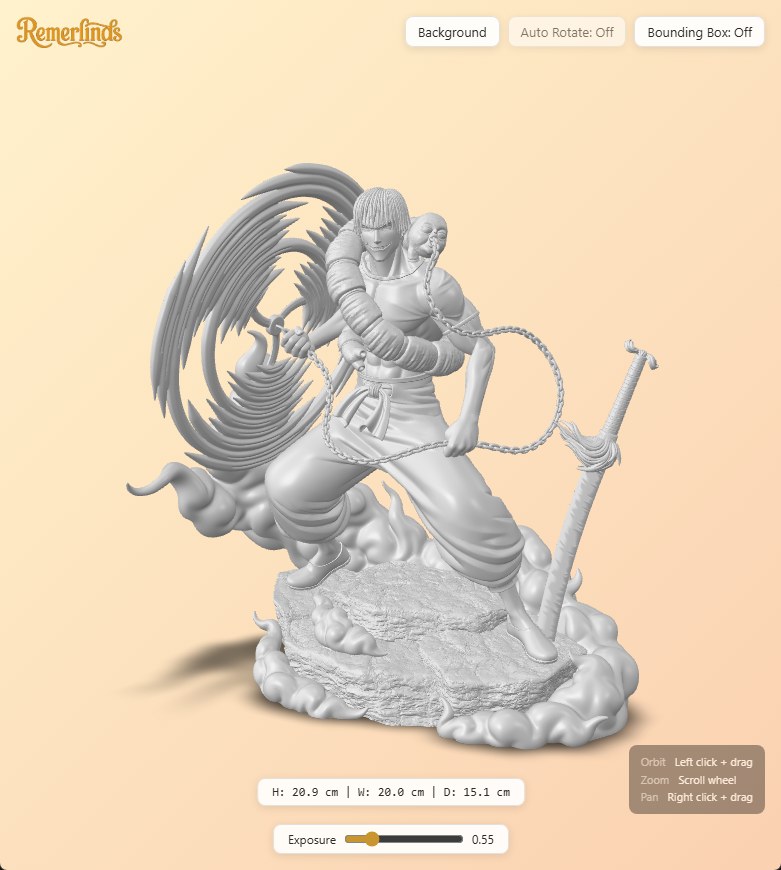
Decimated, optimized GLB with mono-material variants for color-customizable web viewers. USDZ for Apple AR Quick Look with its own decimation pass to stay under Apple's recommended size cap. Both pushed to Bunny CDN. Webhooks notify your PIM the second a SKU is live.
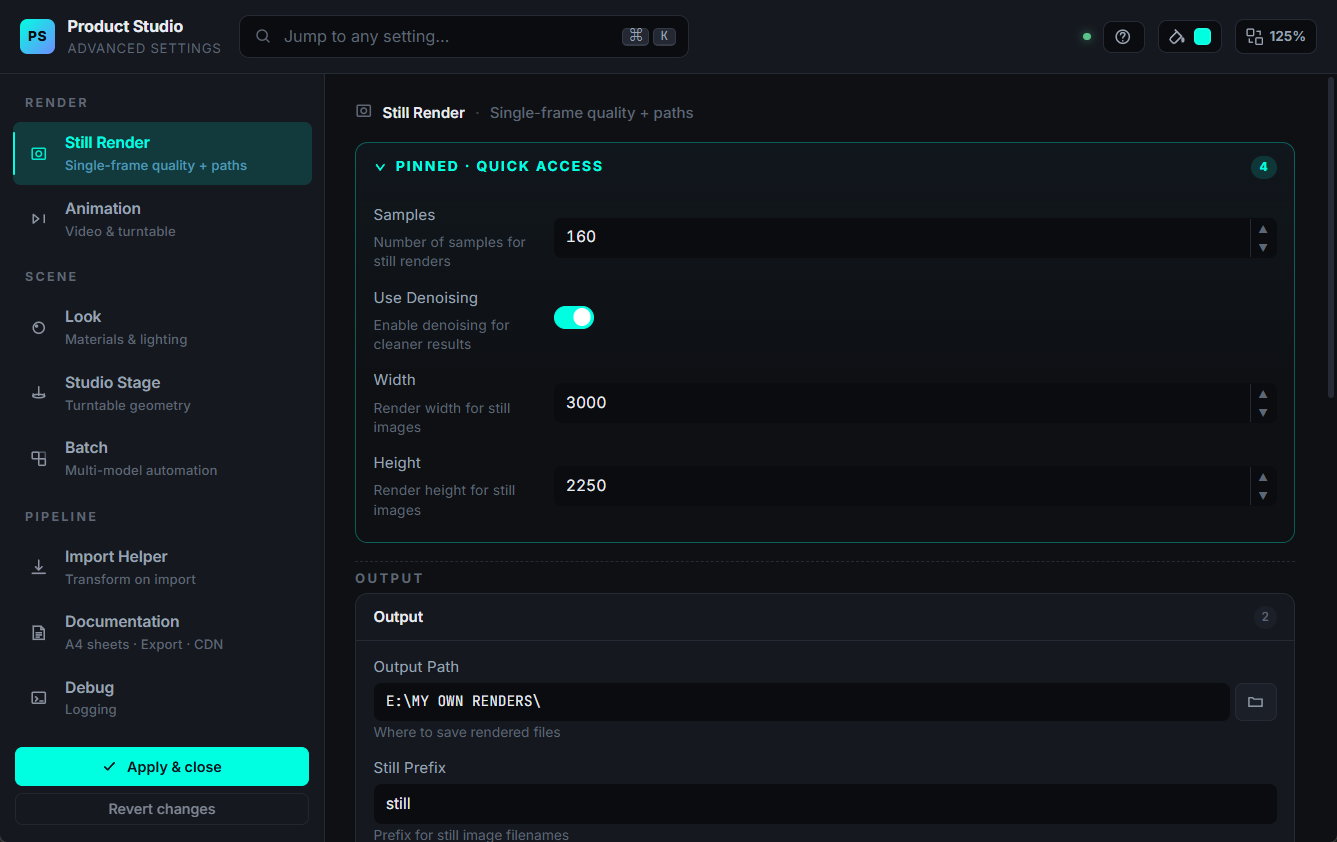
A native settings workbench, the batch panel inside Blender, the documentation generator, the scale drawing pass, the GLB / USDZ exporter, and the CDN uploader. One installer.
Auto-installed on first launch. Credit where credit is due.
If you read code, here's what's under the hood. None of it is decorative — every piece earns its place in the batch loop.
Every shared piece of state is guarded by ThreadSafeState[T] — RLock plus Condition. No bare globals; no lock-by-convention. The render loop is reviewable.
Watermark compositing and the no-fit polygon packer used for assembly diagrams run as a native Rust extension via PyO3 / maturin. Python fallbacks ship in the box if the native module is unavailable.
Each render ships out as a headless Blender subprocess. File-based IPC via JSON status / command files. One model crashing the GPU does not kill the batch — the orchestrator restarts the slot and the queue moves on.
bpy.context.Ruff lint plus a custom AST checker that flags bpy.context reads inside timer callbacks (a famously footgunny Blender API). The build fails on violations. Every PR.
The settings window is a WebView2-hosted (or browser-fallback) frontend talking to a real local REST API. Command palette (⌘K) over every setting. Twenty-seven articles of integrated wiki, deep-linked to the settings they describe.
Targets the modern Blender 5.0 API directly — new fcurve handling, bl_rna unregister guards, and a thin compatibility layer that absorbs the breaking changes between point releases. Tested on Windows primary, macOS and Linux supported.
Revedra v2.15.0 is in final hardening before public release. It will ship as a paid Blender add-on with a per-seat license. Drop your email and we'll let you know the day it's available — with launch pricing for studios that sign up early.